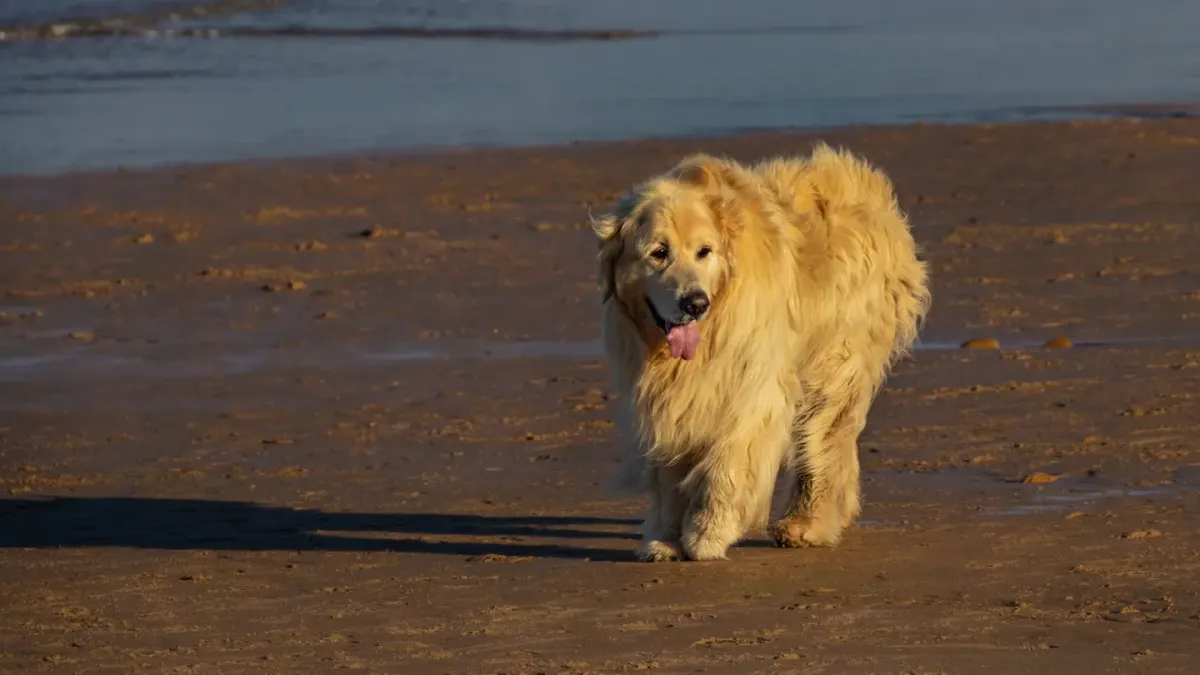
Traveling with a large dog on a small budget is possible when you drive, plan around fees, and keep the routine boring on purpose. You will save more by avoiding flights, extra crate charges, and last-minute lodging than by buying new gear.
Why a big dog changes the budget first
Here is the surprising limitation: most of the extra cost is not food. It is space and access. Airlines restrict large dogs to cargo or exclude them, rental cars charge more for the size you need, and many budget hotels add a per-night pet fee that can double the room rate for a 70-pound dog.
That is why I counsel clients to set the baseline expectation first. If your dog cannot settle safely in the car for several hours with breaks, the trip will get expensive fast through extra stops, damaged gear, or an emergency vet visit. Practice short drives, low-stress handling at rest stops, and calm loading before you commit to distance.
Benjamin in Portland, Oregon learned this with Cassy, his 7-year-old spayed female Pit Bull Terrier mix. She panted and paced past the two-hour mark, so he added three 30-minute park breaks and a frozen chew routine over two weekends. Her settling improved enough that he could hold a steady 400-mile driving day without extra boarding costs.
The U.S. Department of Agriculture notes that airline and interstate requirements vary, which is another reason driving is usually the budget choice for large dogs. You avoid cargo fees and complex paperwork, and you keep control over water, meals, and rest.
Cheap travel myths that fall apart at 80 pounds
Myth: any cheap motel will work if you call ahead. Reality: weight limits, breed restrictions, and per-dog fees often exclude large dogs or add $25 to $75 per night. Check the written pet policy, not just the booking filter, and read our hotel pet fees guide before you lock dates.
Myth: you can cut costs by packing less food and buying on the road. Reality: a sudden diet change may lead to loose stool, vomiting, and missed hiking days. Keep the same diet, pre-portion meals in zip bags, and bring a familiar feeding setup like the options in collapsible bowls and feeding gear. Consistent nutrition and steady water breaks may help support normal digestion and everyday joint comfort on long driving days.

Myth: national parks are the cheapest playground. Reality: many iconic trails restrict dogs. The National Park Service explains where pets can and cannot go, so pair one park drive-through with nearby national forest, state park, or beach land that welcomes leashed dogs.
It is worth the homework.
A practical low-cost sequence that holds up
Follow this order and you will catch the expensive problems early.
1. Vet and paperwork check. Confirm vaccines, parasite prevention, and ID are current. Vets often see trips derailed by an expired rabies certificate or a missing tag. Update your tag, microchip contact, and carry paper plus phone photos of records, as outlined in dog ID tags and records.
2. Car setup before lodging. A large dog needs a stable barrier or crash-tested harness, a non-slip mat, and ventilation for breaks. Cover seats with a washable blanket you already own. Practice loading, settling on cue, and short alone-time in the car in safe weather while you stay in sight.
3. Book the sleep you can defend. For tight budgets, prioritize friends and family, campgrounds with shade, and vacation rentals with a fenced yard over hotels with steep fees. Message the host with your dog’s weight and behavior plan. Ask about stairs, fence height, and alone-time rules.
4. Plan food, water, and heat. Bring the regular kibble plus two extra days, a gallon jug of home water for sensitive stomachs, and a spill-proof bowl. Plan drives for cooler hours and never leave a large dog in a hot car. In practice, heat risk rises fast because a big body in a small car holds warmth.
5. Build free exercise into the route. Look for sniff spots, river walks, and dog-friendly town trails in resources like ferry and boat options if your route crosses water. A tired, well-exercised dog is quieter in a rental and less likely to cause damage charges.
My counter to the skeptic is fair: driving takes longer. I still recommend it for most large-dog owners on a small budget because you control the two variables that matter most, safety breaks and sleep costs, without paying for cargo space you cannot supervise.
Frequently asked questions
Is it cheaper to drive or fly with a large dog?
Driving is usually cheaper because you avoid cargo fees, crate purchases, and health-certificate rush charges, and you can choose low-fee lodging along the route.
How do I keep food costs down without upsetting my dog's stomach?
Bring your regular food pre-portioned, keep treats simple, and transition slowly if you must buy a different formula on the road.
What paperwork should I carry for a budget road trip?
Carry vaccination records, ID tag and microchip details, medications list, and your vet clinic contact, in both paper and phone photos.
Sources
- Pet Travel Basics — U.S. Department of Agriculture
- Pets in National Parks — National Park Service